Henri Matisse
Henri Matisse was born on 31 December 1869, in Le Cateau-Cambrésis, in northern France, a region famous for its weaving and exceptional fabrics.
His youth and his father's wishes steered him towards a career in law, a path tragically cut short by an extended period of recuperation following an attack of appendicitis. During convalescence, he discovered, thanks to the box of paints given to him by his mother to keep him occupied, the art of handling colours.
The epiphany was so startling that it was not long before he began taking drawing classes in Saint-Quentin, before and after his day job as a solicitor's clerk, and decided to leave his region in 1891 to settle in Paris and undergo artistic training; he joined several workshops.
Gustave Moreau's influence, which he shared from 1892 to 1898, would leave an indelible impression. The master saw, understood, and encouraged his student's talent.
These formative years also launched the artist's travels, alone or later with his family, intended to both accompany and nurture his art: Brittany, starting in 1895, then London, Corsica, Toulouse, Collioure, Algeria, Italy, Germany, Spain, Morocco, the French Riviera, Étretat, the United States, and Tahiti.
His painting quickly attracted the interest of the State, artistic salons and art critics from 1896 onwards, oftent in a feverishly enthousiastic manner as it represented the embodiment of modernity. It was only from 1908 onwards that exhibitions of his works abroad brought him new byers, wealthy and discerning American and Russian collectors. Sergei Shchukin, a Moscow industrialist in the textile trade, commissioned two monumental works from him to adorn his private mansion. This is how Matisse discovered Moscow in 1911 while staying there to participate in the installation of "The Dance" and "Music" in his client's residence.
The artist decided to leave for Nice in December 1917. He found a new light there.
Nice became his permanent home from 1918 onwards, ushering in a decade of intense artistic creation characterised by a proliferation of interior scenes, blending “odalisques”, objects brought back from his travels, and a variety of textiles.
A six-month trip in 1930, which took him from New York to Tahiti, provided Matisse with the perspective he felt he needed. His stay in America brought him a new commission, and a renewed opportunity to work on a monumental decorative piece, for the Foundation of Alfred Barnes, a long-time collector of the artist: the theme of dance was once again prominent.
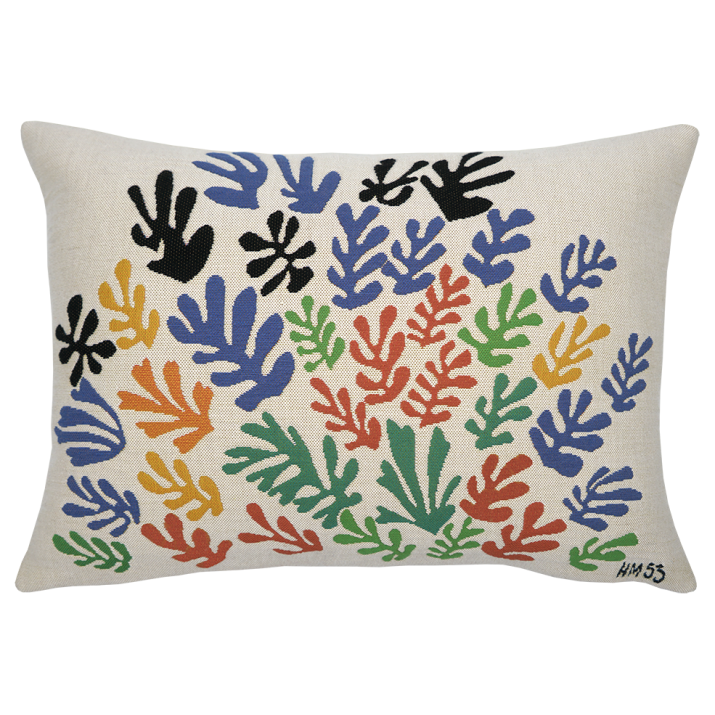
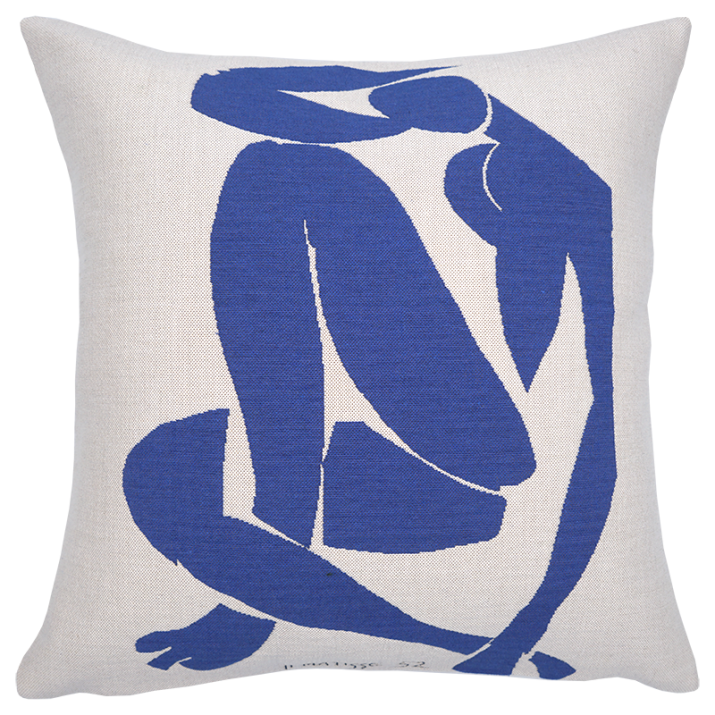
Back in France, and until the outbreak of the Second World War, Matisse flourished in a period of abundant creation where memories of Tahiti resurfaced, a new studio assistant and model - Lydia Delectorskaya - worked alongside him, and a project to design the sets and costumes for Massine's ballet "Rouge et noir (L'Étrange farandole)" prompted him to employ a new creative technique. He began working with papers that had been previously painted with gouache and then cut out, allowing him greater freedom in developing his models.
In 1941, Matisse underwent serious surgery, from which he miraculously survived. After an extended period of convalescence, he experienced a truly unexpected and creative "second life."
Drawing then became his focus, leading to the illustration of numerous books.
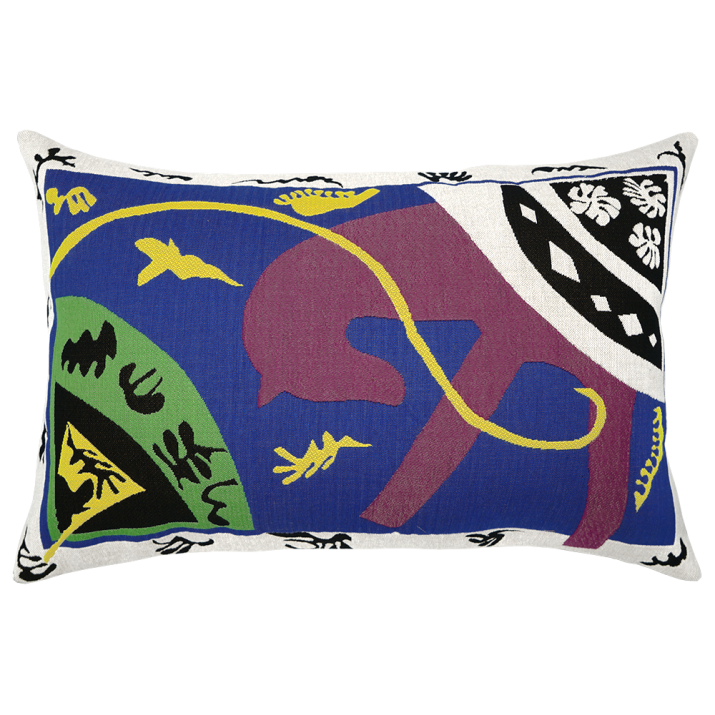
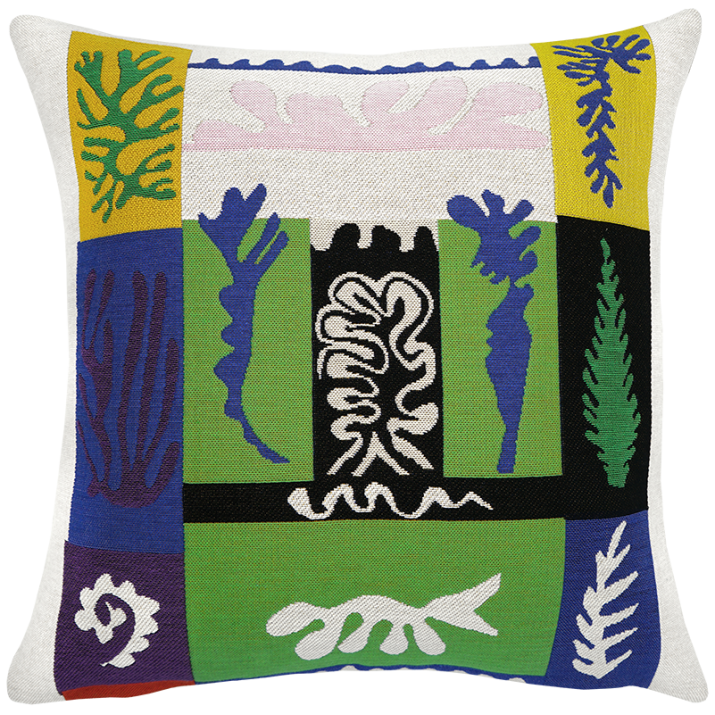
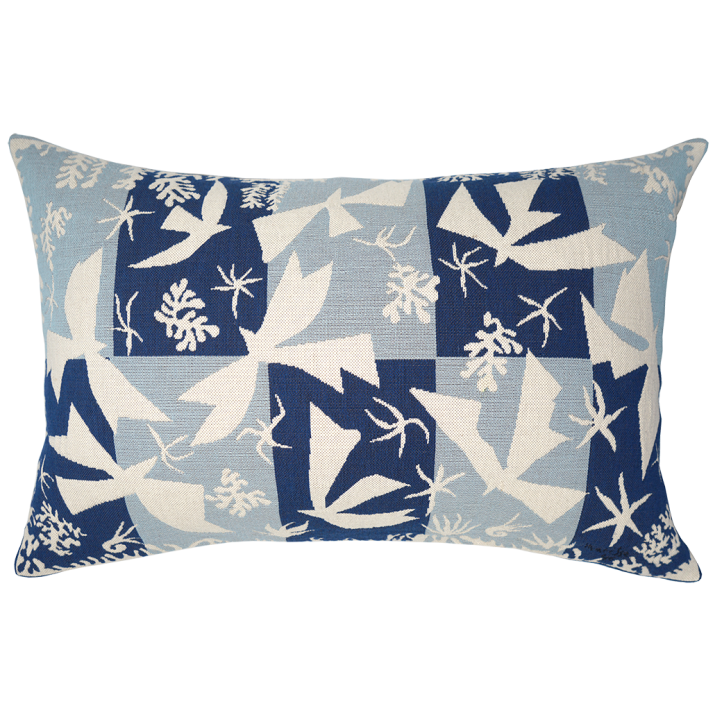
In 1943, he returned to using gouache-painted paper, which he cut out and pasted onto a series of models evoking his childhood memories and travels.
This technique then became an artistic composition.
These models were published in 1947 by the publisher Tériade, under the title "Jazz", a work that continues to receive public praise to this day.
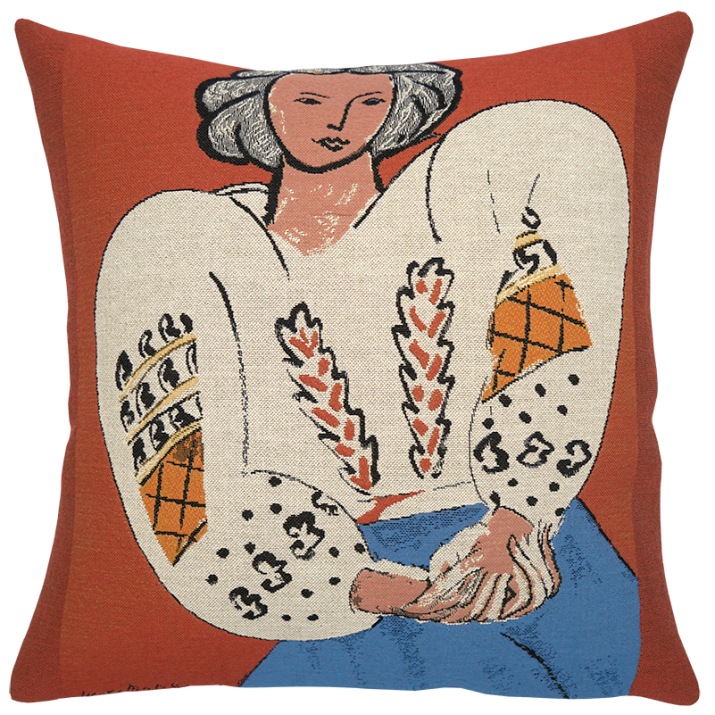
He tirelessly diversified his creative pursuits, accepting commissions to create silk scarves and tapestries, thus continuing his long-standing connection to textiles and weaving.
In 1948 he also embarked onthe project of creating a chapel for the community of Dominican sisters in Vence, an idea which originated with Sister Jacques-Marie, a former nurse and model of the artist who had entered religious orders. He was involved in this "all-consuming" project until 1951, creating stained glass windows, ceramics, furniture, and liturgical accessories.
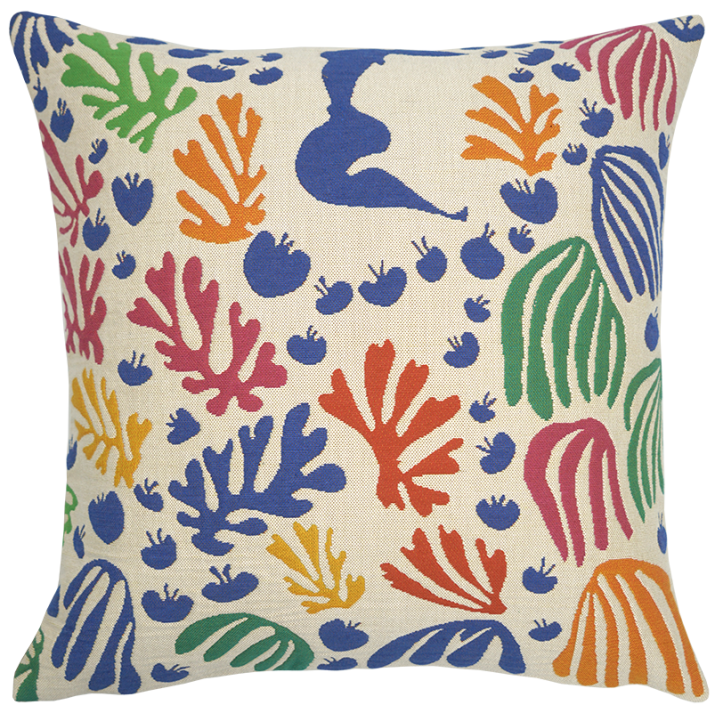
Familiar with monumental works, he devoted himself to them again from 1952 until his death, using his gouache-painted papers, cut and glued, to create gigantic compositions such as "The Sorrow of the King", "The Swimming Pool" and "The Parakeet and the Mermaid", which decorated his own apartment in Nice for a time.
The Matisse Museum in Le Cateau-Cambrésis, his birthplace, to which the artist directly contributed by donating a selection of his works, opened its doors on 8 November 1953.
He then renewed his efforts in Nice, seeking the creation of another museum dedicated to his work in the city that was his former home, on and off, for several decades. This museum was finally opened to the public in 1963.
Henri Matisse died in Nice on 3 November 1954 and is buried in the Cimiez cemetery.
©Succession H. Matisse